Stablecoins
What Stablecoin Settlement Actually Changes
Faster settlement is the headline. The operational impact shows up in treasury, reconciliation and how quickly a business can serve new corridors.
jStack Research · July 14, 2026 · 6 min read
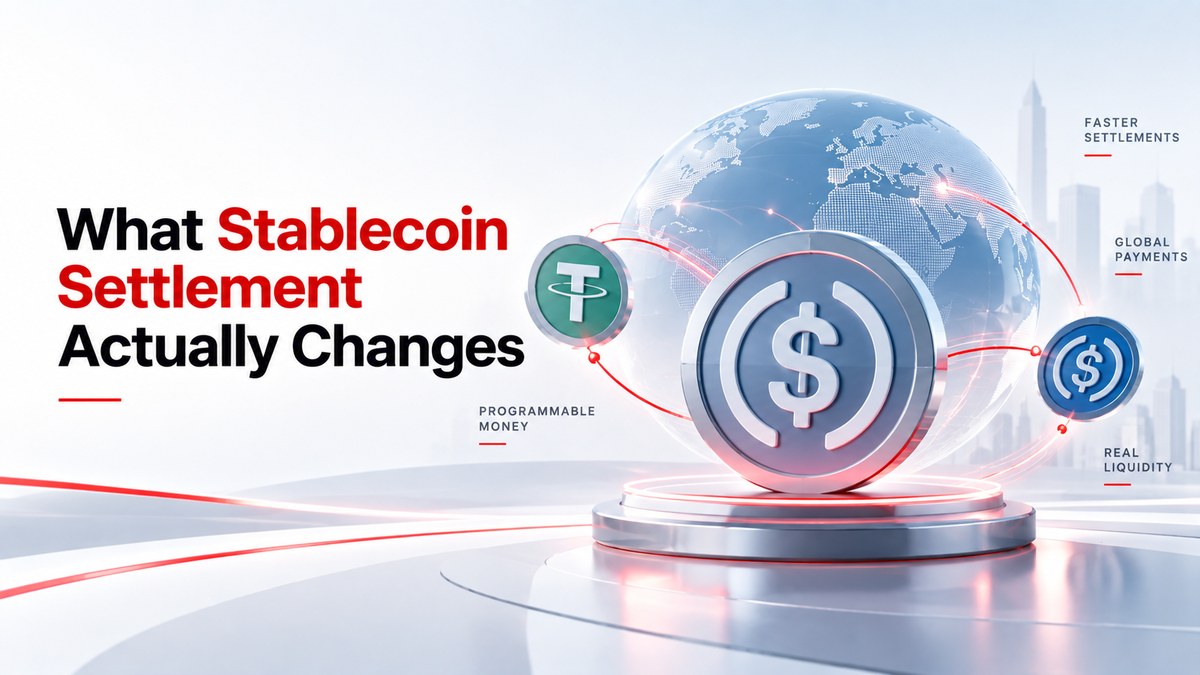
Stablecoin rails are frequently discussed as a speed improvement. In practice the more meaningful change is to working capital and reconciliation cycles.
Why this matters
Stablecoin settlement is no longer a back-office concern. As financial products move closer to the customer, the infrastructure underneath them determines how quickly teams can launch, how reliably money settles and how much operational load an organization carries.
- Settlement windows compress from days to minutes.
- Treasury exposure changes shape rather than disappearing.
- Reconciliation must handle on-chain and off-chain records together.
What changes in practice
Modular infrastructure lets teams adopt what they need without rewriting the rest of the stack. Wallets, ledgers, payment orchestration and settlement can be introduced independently, then connected through a single consistent transaction model.
Where to start
- 01Define the transaction model and the money movement flows you must support.
- 02Separate the ledger from provider integrations so rails can be added later.
- 03Instrument reconciliation and settlement from day one, not after launch.
- 04Plan for multi-country requirements before the first market goes live.