Company
How We Think About Building jStack
A short note on the principles behind the stack: modular by default, ledger-first, and designed for institutions that operate across markets.
jStack Product · May 5, 2026 · 4 min read
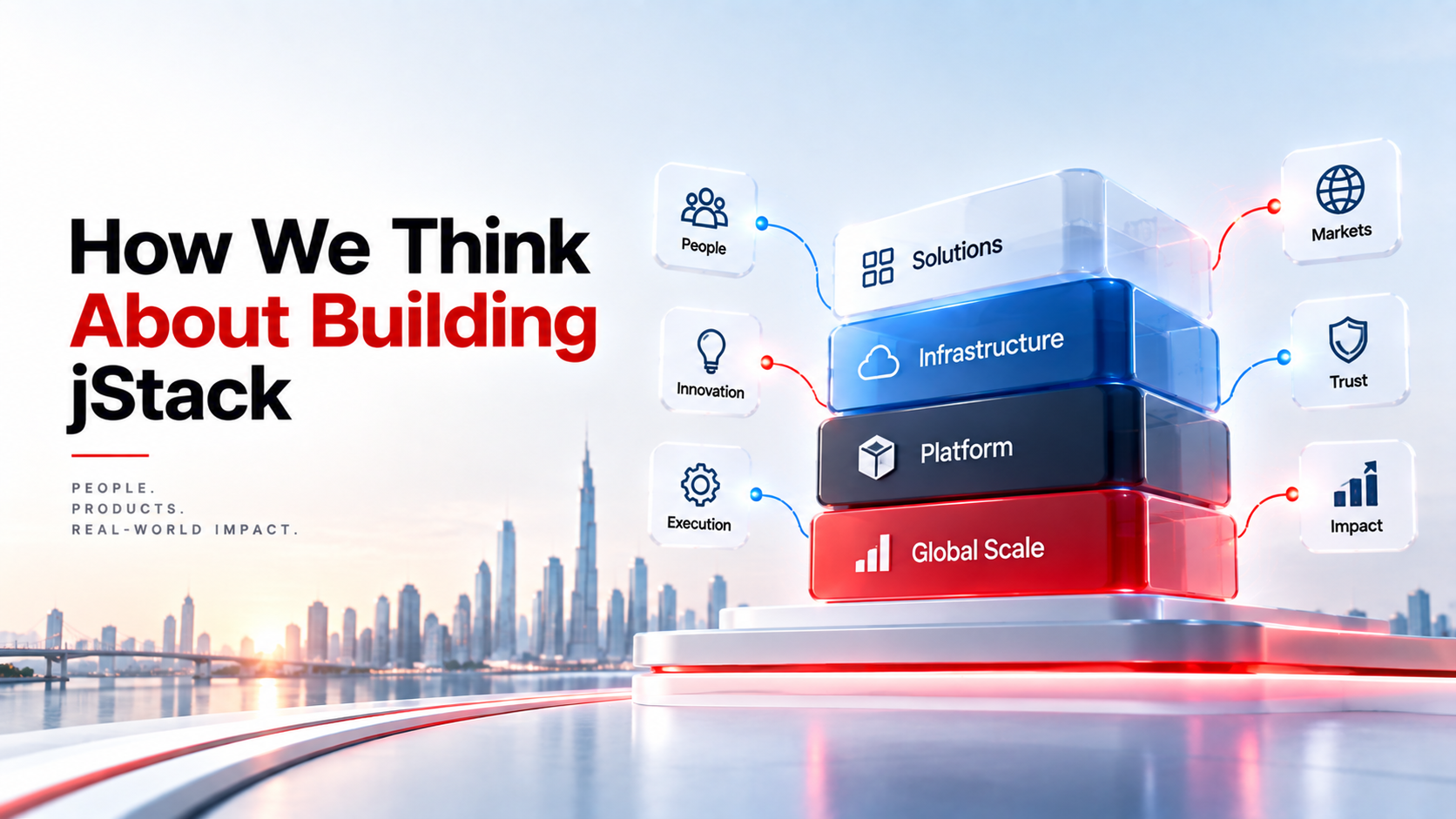
jStack is built for organizations that need financial infrastructure to fit their model, not the other way around.
Why this matters
Our approach is no longer a back-office concern. As financial products move closer to the customer, the infrastructure underneath them determines how quickly teams can launch, how reliably money settles and how much operational load an organization carries.
- Modules should be useful on their own and better together.
- Institutions need control over data, policy and rails.
- Reliability is a product requirement, not an operational aspiration.
What changes in practice
Modular infrastructure lets teams adopt what they need without rewriting the rest of the stack. Wallets, ledgers, payment orchestration and settlement can be introduced independently, then connected through a single consistent transaction model.
Where to start
- 01Define the transaction model and the money movement flows you must support.
- 02Separate the ledger from provider integrations so rails can be added later.
- 03Instrument reconciliation and settlement from day one, not after launch.
- 04Plan for multi-country requirements before the first market goes live.