EFT & PAYMENT SWITCH FOR AFGHANISTAN
Modernize Payment Switching Infrastructure in Afghanistan.
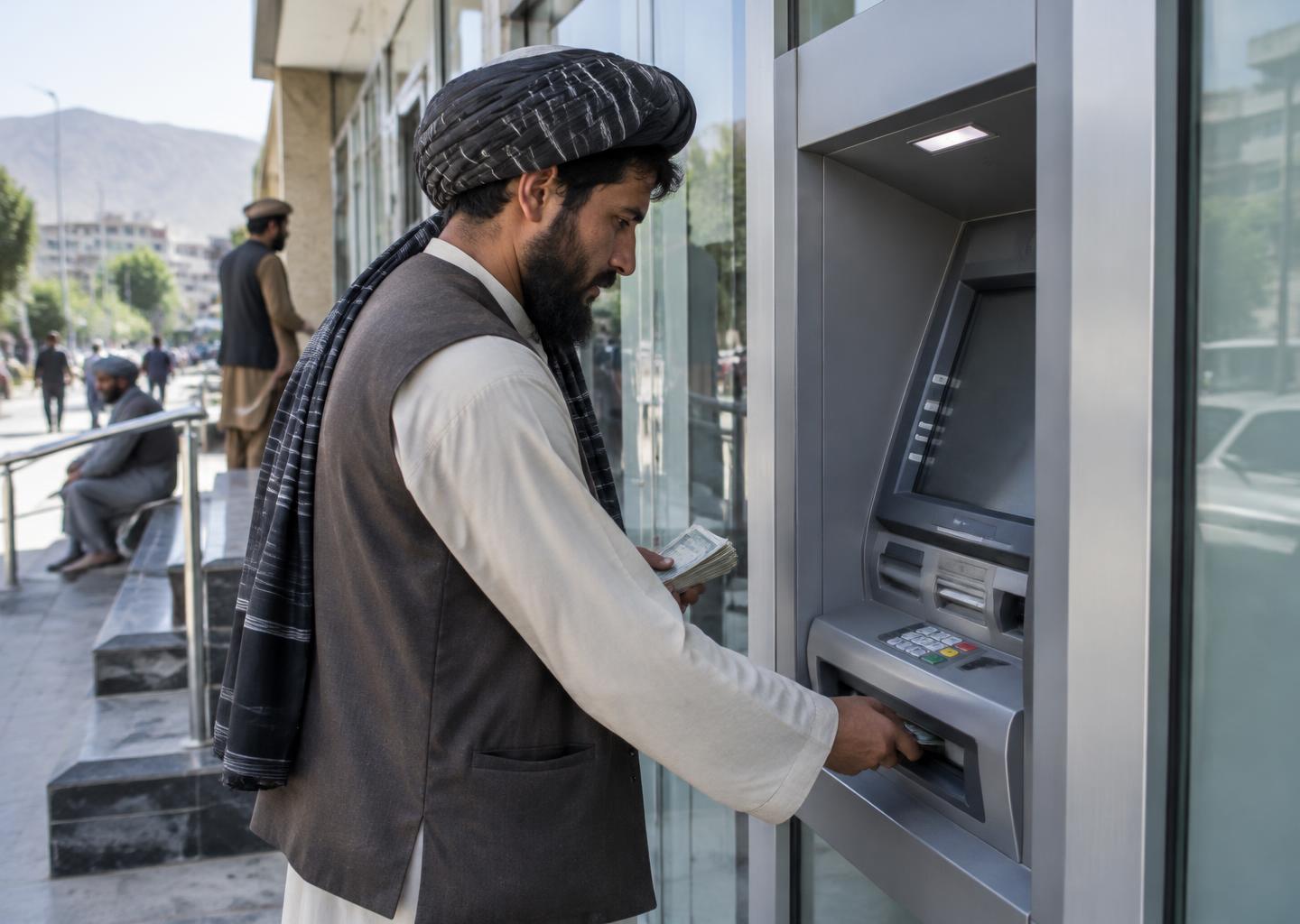
Deploy configurable EFT and payment-switching infrastructure for routing, authorizing and processing transactions across ATM, POS, cards, wallets, bank accounts and digital-payment channels.
Transactions
1,284
Approval
98.2%
Avg response
124 ms
Channels
6 / 6
- Issuer and acquirer switching
- ISO 8583 and ISO 20022 support
- ATM, POS, card and wallet channels
- Real-time transaction routing
One Switch, Every Channel
Route every transaction type through one controlled layer.
ATM transactions
Withdrawals, balance inquiries and mini-statements routed between ATM networks, issuers and core banking.
- On-us and off-us routing
- PIN verification via HSM
- Reversals and timeouts
- ATM40 ms
- Acquirer58 ms
- jStack Switch76 ms
- Issuer / Core00 · approved
Platform Experience
Operational control for payment teams.
Switch Console
Configure participants, BIN routing, message mappings and authorisation rules from one console.
Transactions
1,284
Approval
98.2%
Avg response
124 ms
Channels
6 / 6
How It Works
From payment initiation to authorization in seconds.
- 01
Channel request
- 02
Message validation
- 03
Routing decision
- 04
Security / HSM
- 05
Issuer authorization
- 06
Response & settlement
Architecture
One switching layer between channels and institutions.
Channels
- ATM
- POS
- Mobile
- Internet
- QR
- APIs
jStack Switch
- Routing
- Authorization
- ISO 8583 / 20022
- Limits & Rules
Security & Ops
- HSM
- Card Management
- Monitoring
- Settlement
Connected
- Banks
- Core Banking
- Wallets
- Payment Networks
Security & Controls
Security and control built into every transaction.

HSM integration
PIN, key management and cryptographic operations through approved HSMs.
Role-based access
Granular permissions and maker-checker for sensitive changes.
Transaction limits
Velocity, amount and channel limits per participant or BIN.
Fraud rules
Configurable rules to flag or decline suspicious activity.
Audit trail
Every configuration change and transaction is logged.
Encrypted transport
Secured connectivity between participants and the switch.
Developers
Connect channels with standard messages and modern APIs.
Use ISO 8583 for card and terminal traffic, ISO 20022 for supported financial messaging and REST APIs for digital channels.
POST /v1/switch/transactions
{
  "type": "PURCHASE",
  "channel": "POS",
  "amount": { "value": "1500.00", "currency": "AFN" },
  "card": { "token": "tok_••••4417" },
  "acquirer": "ACQ_001",
  "terminal": "TID_88213"
}

200 OK
{ "status": "APPROVED", "authCode": "A1B2C3", "responseCode": "00" }
Operations & Integrations
Run payment operations and integrations from one place.
Give operations teams full transaction visibility and connect the switch to the systems your ecosystem already runs.
- Real-time monitoring
- Settlement & reconciliation
- Exception management
- Participant management
- Reporting
- Dispute workflows
Integrates with
Deployment & Implementation
Deploy your way, launch with a structured plan.
- 01
Discovery
Transaction types, participants and message formats.
- 02
Architecture
Routing, security and deployment design.
- 03
Configuration
Participants, rules, limits and integrations.
- 04
Testing & Certification
End-to-end, network and acceptance testing.
- 05
Go-live & Support
Controlled rollout with ongoing operations support.
Timelines depend on scope, integrations and approvals and are confirmed after discovery.
Why jStack
Payment infrastructure, not just transaction routing.
Issuer & acquirer
Control both sides of the payment transaction.
Standards-based
ISO 8583 and ISO 20022 support.
Omnichannel
ATM, POS, card, wallet and digital channels.
Flexible deployment
On-premise, private cloud, cloud or hybrid.
Configurable
Rules, routing and limits without code changes.
India-based engineering
Architecture, integration and delivery teams.
FAQ
Questions About EFT and Payment Switching in Afghanistan
What is an EFT switch?+
An EFT switch is transaction-processing infrastructure that receives, validates and routes electronic financial transactions between channels, financial institutions, issuers, acquirers and payment networks.
What is the difference between an EFT switch and a payment gateway?+
An EFT switch primarily routes and processes transactions across banking, ATM, POS, card and financial networks. A payment gateway typically accepts online payment requests from merchants and forwards them to processors, acquirers or other payment systems.
Can the jStack switch support both issuer and acquirer transactions?+
Yes. The platform can support issuer-side and acquirer-side transaction flows based on the agreed implementation scope, connected systems and participant responsibilities.
Does the switch support ISO 8583?+
Yes. The platform supports configurable ISO 8583 message processing for ATM, POS, card and other financial transaction use cases.
Does the switch support ISO 20022?+
Yes. ISO 20022 integrations can be implemented for supported payment and financial messaging use cases based on project requirements.
Can the switch connect to ATM and POS networks?+
Yes. The switch can integrate with ATM, POS, terminal-management and acquiring environments using supported message standards and interfaces.
Can the switch integrate with core banking systems?+
Yes. The platform can connect to core banking, wallet, card management and other authorization systems through supported APIs, message formats or integration adapters.
How does the EFT switch integrate with an HSM?+
The switch can integrate with an approved Hardware Security Module for supported PIN, key-management and cryptographic operations. The exact integration depends on the HSM, security architecture and card-processing model.
Does the platform support settlement and reconciliation?+
Yes. Settlement and reconciliation capabilities can be configured to calculate participant obligations, match transactions, identify exceptions and prepare financial reports.
Can the EFT switch be deployed on-premise?+
Yes. The platform can be deployed on-premise, in a private cloud, in a supported cloud environment or through a hybrid architecture.
Can the solution be configured for Afghanistan?+
Yes. The switch can be configured around the organization’s operating model, local integrations, transaction types, currencies, participants and deployment requirements. Local connectivity and regulated services depend on available partners and applicable approvals.
How long does an EFT switch implementation take?+
Implementation time depends on the required transaction types, connected institutions, message formats, certification processes, infrastructure, migration and testing requirements. A detailed plan is prepared after discovery.
How can we request an EFT switch demonstration?+
Submit the enquiry form on this page with your organization and requirements. The jStack team will contact you to arrange a discovery discussion or solution demonstration.
Talk to jStack
Planning an EFT or Payment Switch Project in Afghanistan?
Tell us about your organization, existing payment infrastructure and switching requirements. Our team will help identify the transaction channels, integrations, architecture and deployment approach required for your project.